


Description
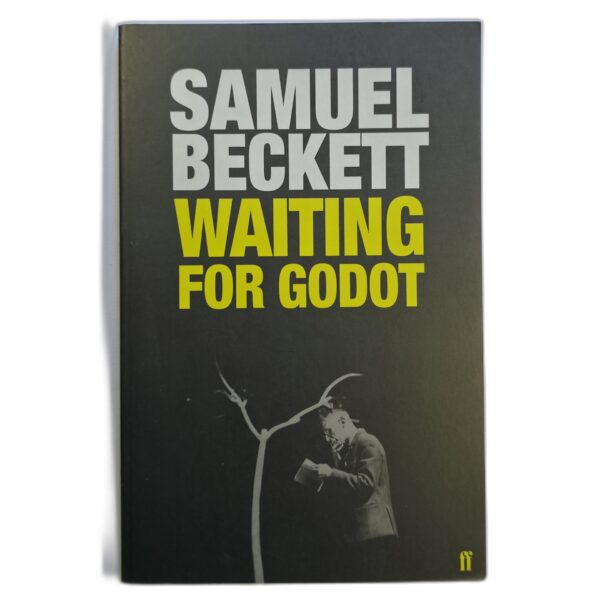
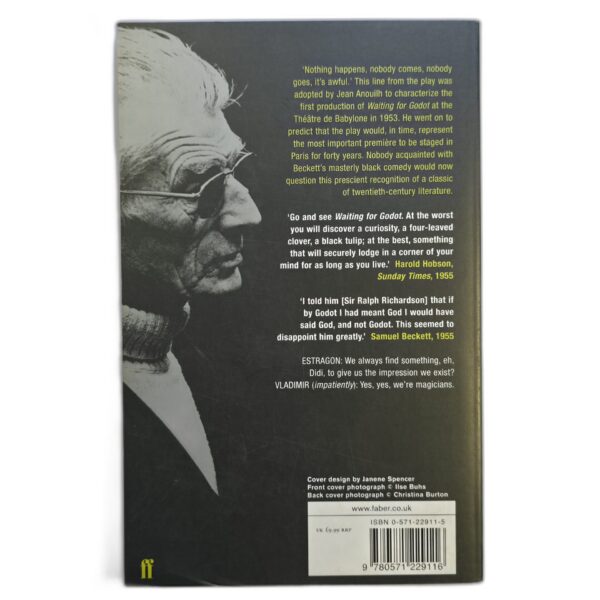
Waiting for Godot by Samuel Beckett is one of the most influential plays of the twentieth century and a cornerstone of absurdist theatre. Structured around repetition, stasis, and philosophical uncertainty, the play deliberately subverts traditional narrative expectations, presenting two acts in which “nothing happens, twice.” Beckett’s spare dialogue and bleak humour explore themes of time, existence, hope, and meaning in a post-war world. A seminal text in modern drama, widely studied in literature and theatre courses worldwide.