
Description
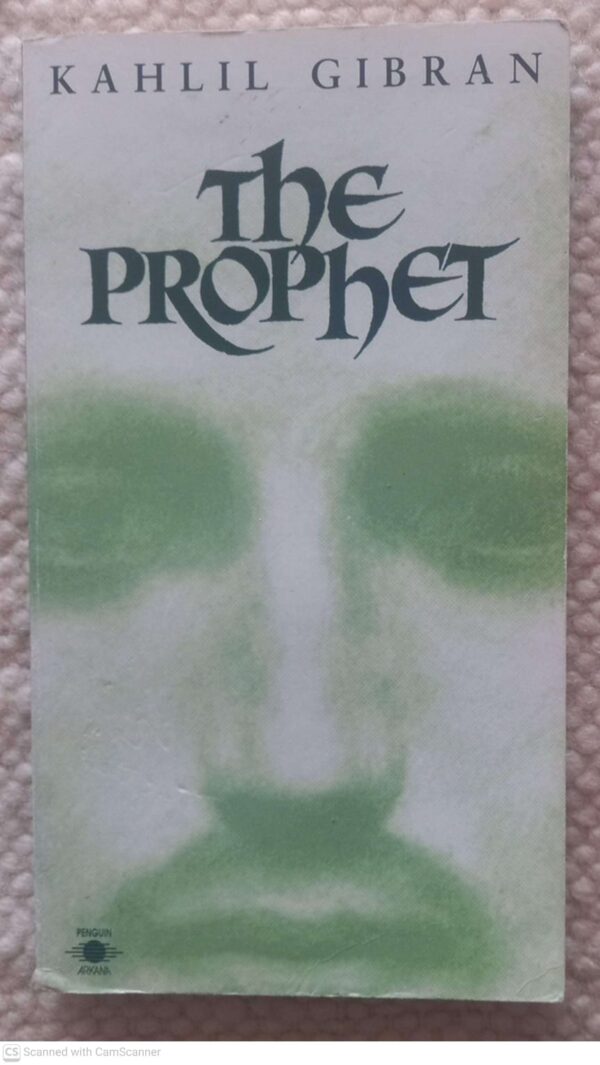
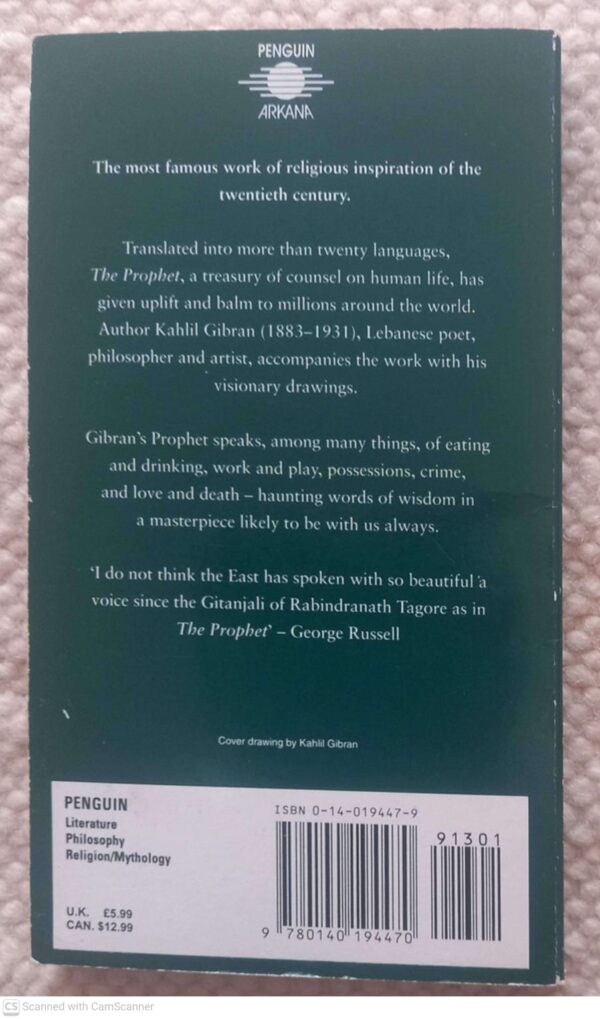
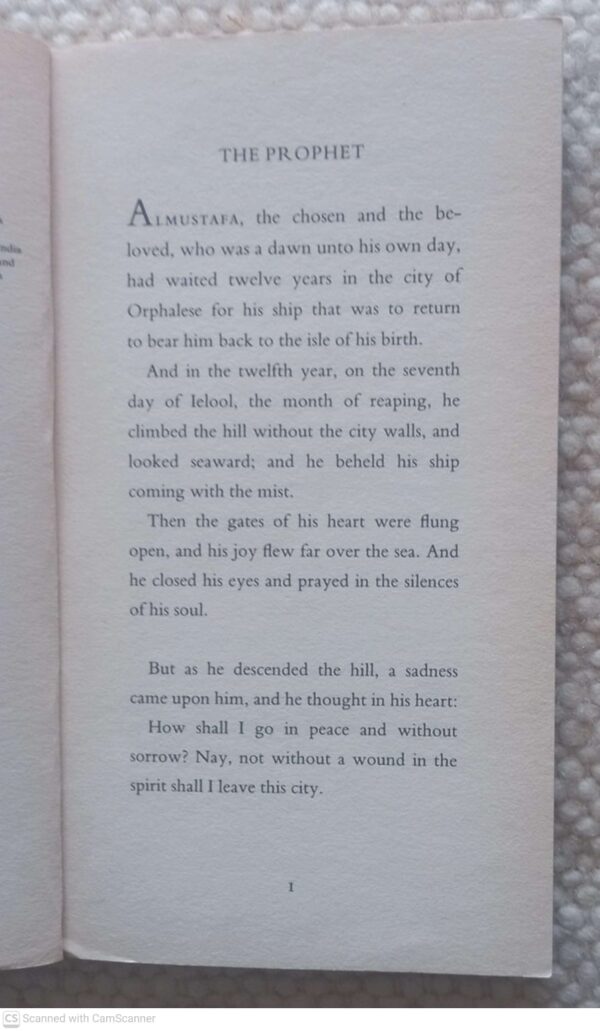
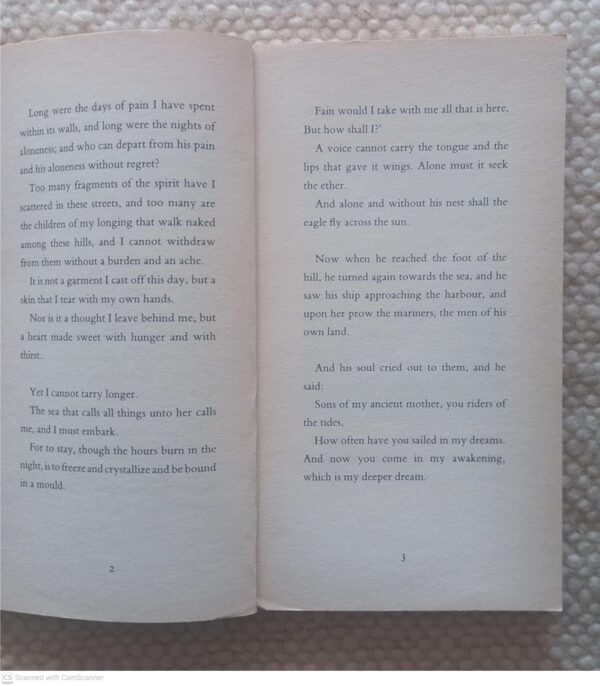
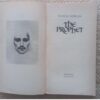
The Prophet by Kahlil Gibran is a collection of poetic essays first published in 1923 that explores themes of love, freedom, work, joy, sorrow, and the human condition. Structured as a series of philosophical reflections delivered by the character Almustafa, the work presents meditations on life’s essential experiences in a lyrical and symbolic style.
The text is known for its spiritual and contemplative tone, blending poetry and prose to offer insights into relationships, personal growth, and the search for meaning. Rather than following a traditional narrative structure, the book unfolds as a sequence of thematic teachings that encourage introspection and emotional awareness.
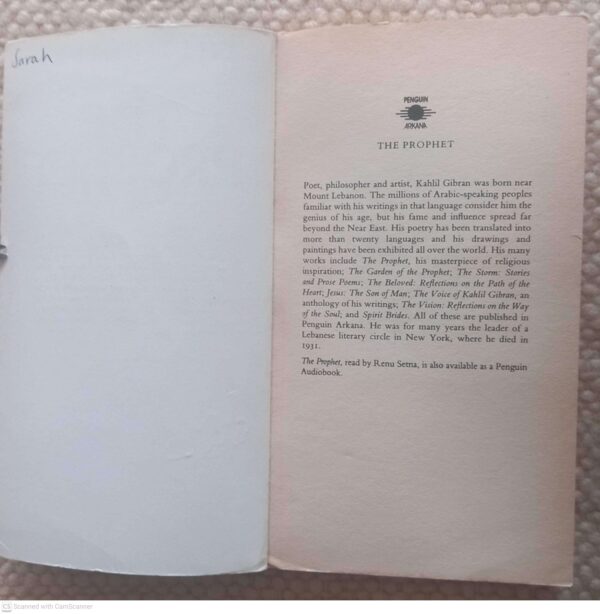
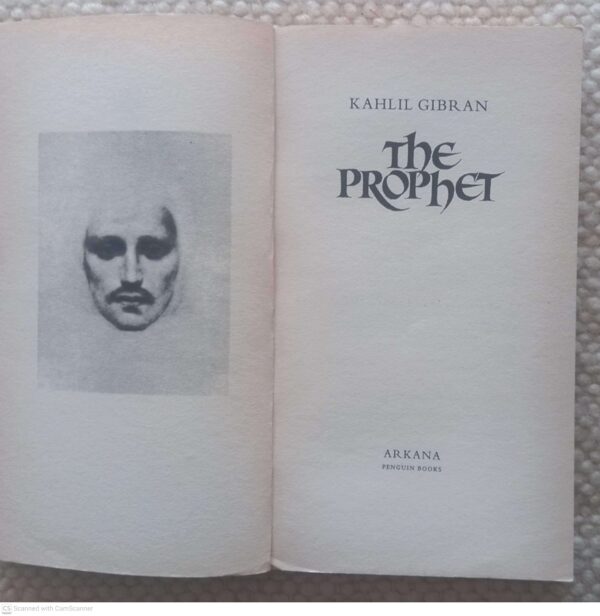
The Prophet draws on universal ideas that resonate across cultures and has been widely translated and read around the world. It reflects Gibran’s background as both a writer and visual artist, with his symbolic style often compared to mystic and romantic traditions.
The work is suited to readers interested in philosophical literature, spiritual reflection, and poetic writing that engages with timeless human experiences. It continues to be valued as a contemplative text that invites readers to reflect on their inner lives and relationships with others.